
Table of Contents
How To Host The Perfect Wine and Cheese Night
Few things rival the charm of a wine and cheese night—rich flavors, warm vibes, and the joy of sharing. It’s a timeless combo that turns any gathering into a celebration, whether you’re with friends, family, or colleagues.
But pulling off the perfect evening takes a little know-how. In this guide, we’ll share 10 expert tips and tricks—covering pairings, presentation, and more—to make your wine and cheese night a hit. Let’s craft an event that’s delicious, dazzling, and downright fun!
Why Wine and Cheese Are Soulmates
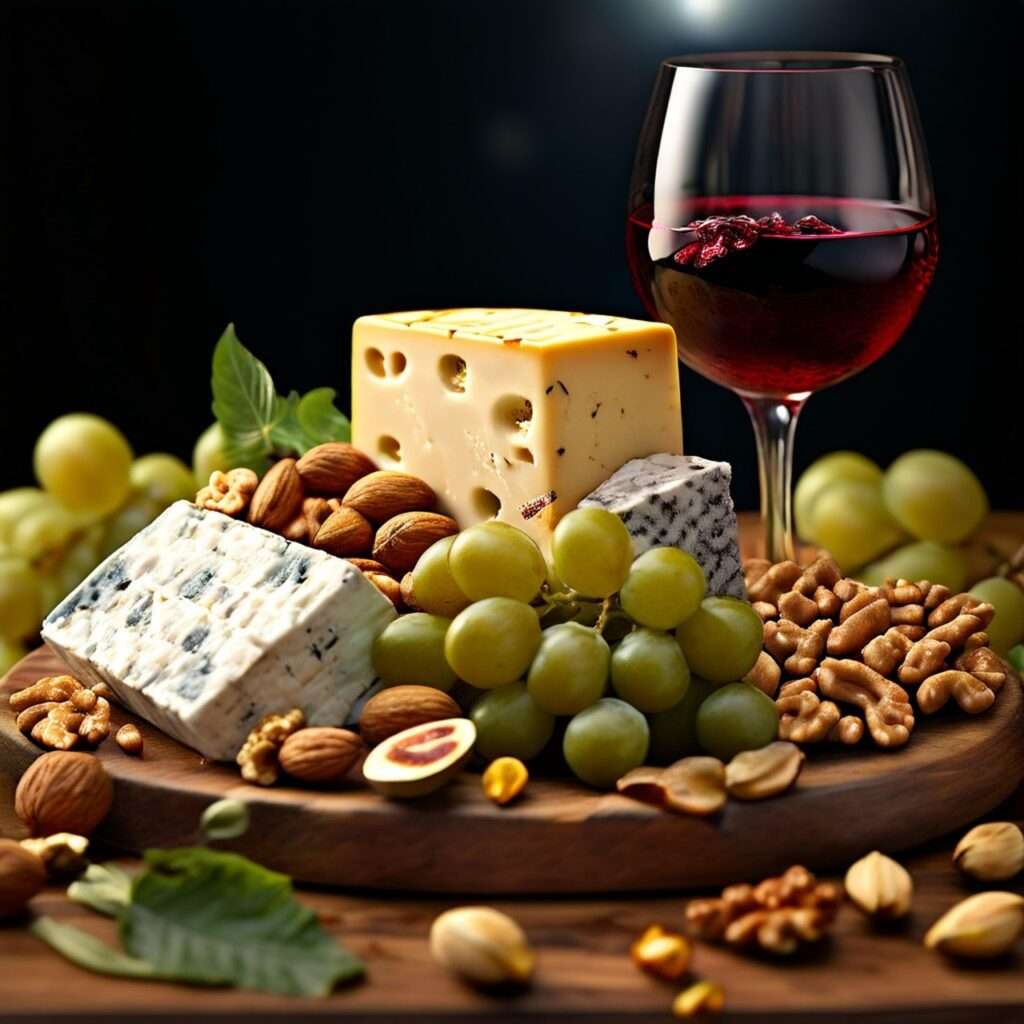
Wine and cheese are a match made in culinary heaven. The wine’s acidity cuts through the cheese’s fat, while the cheese softens the wine’s tannins. It’s science with soul—92% of people in a recent poll said this duo tops their party list. Plus, it’s versatile enough for a cozy night in or a team building experience. Ready to host? Here’s how to nail it.
Tip 1: Curate a Winning Lineup
Variety is your friend. Aim for 3-5 wines and cheeses to keep it manageable yet exciting.
- Wines: Mix reds like Pinot Noir, whites like Chardonnay, and a sparkling wine for flair.
- Cheeses: Go for soft (Brie), hard (Cheddar), and blue (Gorgonzola). Add a wild card like goat cheese for fun.
Balance bold with mild—too many heavy hitters overwhelm. Our tasting kits deliver curated pairings, perfect for a stress-free team building night.
Tip 2: Pair Like a Pro
Great pairings elevate the experience. Here’s a cheat sheet:
- Brie + Chardonnay: Creamy meets crisp—apple notes in the wine lift the cheese’s buttery vibe.
- Cheddar + Cabernet Sauvignon: Aged cheddar’s sharpness loves the wine’s bold tannins.
- Blue Cheese + Port: Sweet Port tames the blue’s funk for a dreamy finish.
- Goat Cheese + Sauvignon Blanc: Tangy cheese and zesty wine are a fresh, bright duo.
Taste as you go—pairings are personal. Experimentation’s half the fun!
Tip 3: Set the Temperature Right
Temperature can make or break your night.
- Wines: Chill whites and sparklings at 45-50°F, serve reds at 60-65°F. Pull reds out 30 minutes before; chill whites an hour ahead.
- Cheeses: Let them sit at room temp for 30-60 minutes. Cold mutes flavor—warmth unlocks it.
A thermometer’s your secret weapon. Get this right, and your guests will notice the difference.
Tip 4: Plate with Panache
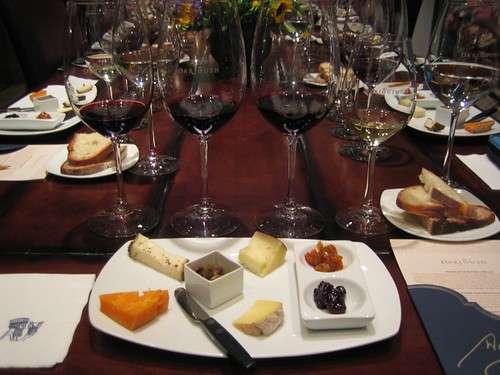
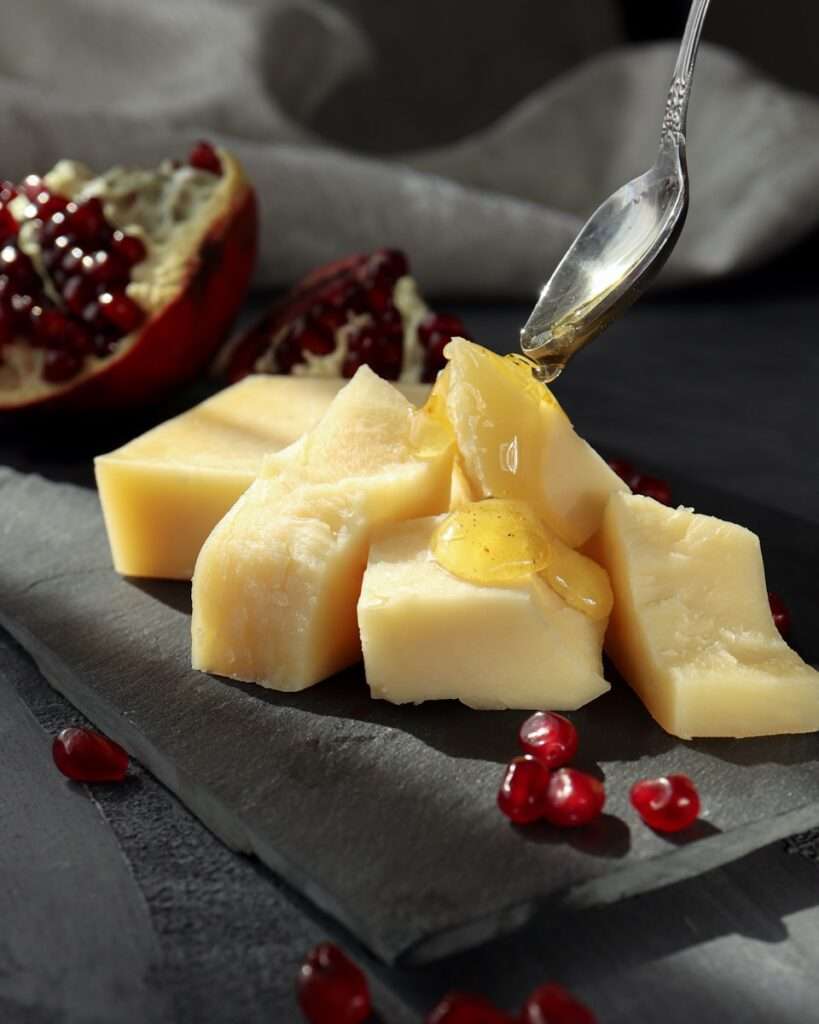
Presentation wows before the first bite. Use a wooden board or slate for rustic charm.
- Arrange Smart: Place cheeses in a circle or line, with wines nearby. Label each with small cards—guests love knowing what’s what.
- Add Color: Scatter grapes, figs, or nuts between cheeses. It’s eye candy that doubles as nibbles.
- Tools: Offer separate knives for each cheese—no cross-contamination—and small forks for sampling.
Keep it uncluttered but inviting. A pretty setup sets the tone.
Tip 5: Stock the Extras
Wine and cheese shine brighter with friends. Add these:
- Crackers & Bread: Neutral crackers or a crusty baguette let flavors pop.
- Fruits: Sliced apples, pears, or dried apricots add sweetness.
- Nuts: Almonds or walnuts bring crunch and balance.
- Jams: A dollop of fig or quince jam pairs like magic with blues.
Keep portions small—supporting acts, not the stars. Our tasting packages include these extras, making your team building experience effortless.
Tip 6: Set the Scene
Ambiance matters. Create a vibe that’s cozy yet chic.
- Lighting: Soft candles or string lights—no harsh fluorescents.
- Music: Jazz or acoustic tunes keep it mellow but lively.
- Seating: Scatter cushions or chairs for mingling, not stiff rows.
Think relaxed elegance. It’s a night to unwind and connect.
Tip 7: Guide the Tasting
Lead your guests through the experience—it’s half the fun.
- Start Light: Begin with sparkling or white wines and soft cheeses, moving to reds and bolder picks.
- Share Stories: Mention a wine’s region (like Tuscany’s Sangiovese) or a cheese’s origin. It sparks chatter.
- Pace It: Sip and nibble every 10-15 minutes—2 hours is ideal for 4-5 pairings.
No expert? Our virtual tasting hosts can guide you, turning it into a team building hit.
Tip 8: Keep It Interactive
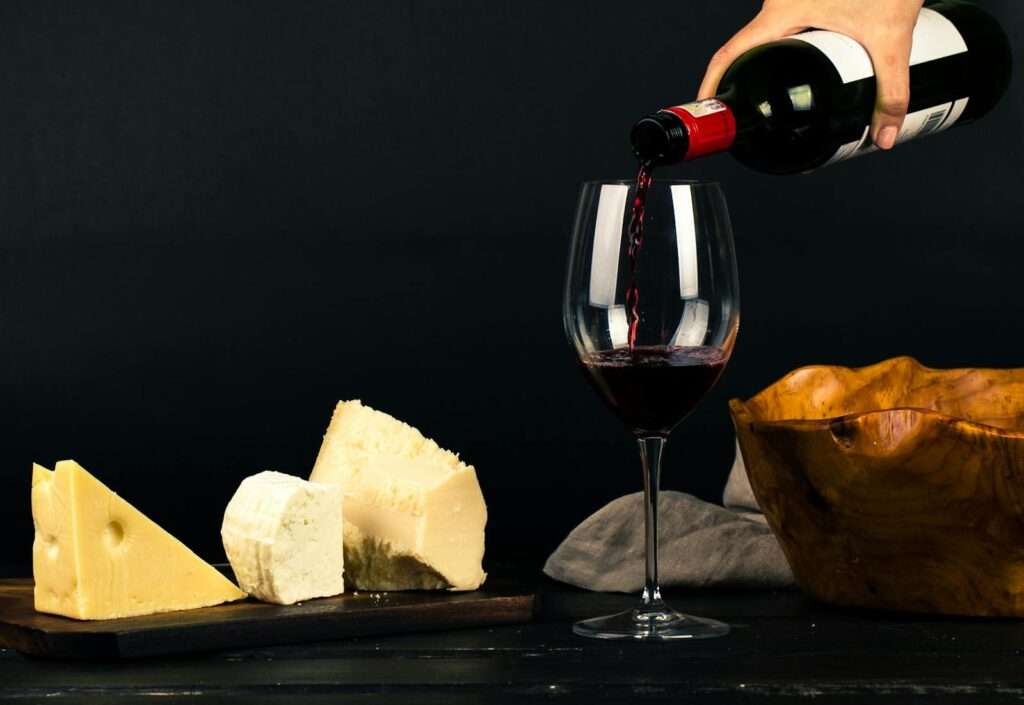
Engage your crew—don’t just serve.
- Blind Tasting: Wrap bottles in foil and guess the grapes. Laughter guaranteed.
- Rating Game: Hand out cards—rate each combo from 1-10. Compare notes.
- Pairing Swap: Let guests mix and match, sharing their faves.
Interaction keeps energy high. It’s a natural team building experience that bonds over bites.
Tip 9: Mind the Details
Little things make a big impact.
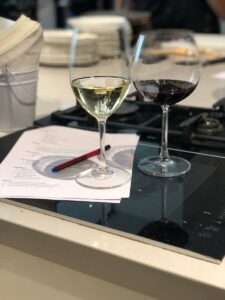
- Glassware: Use proper wine glasses—stems for reds, smaller for whites. No plastic cups!
- Water: Pitchers on hand cleanse palates between tastes.
- Napkins: Plenty for sticky fingers or spills—keep it tidy.
Prep ahead—smooth nights feel effortless.
Tip 10: Wrap with Flair
End on a high note.
- Dessert Pairing: Try dark chocolate with a Malbec—decadent and doable.
- Takeaways: Gift guests a small cheese wedge or tasting notes as a memento.
- Toast: Raise a glass to the night—simple and sweet.
A strong finish lingers in memory. Your guests will rave for weeks.
Why It’s Worth the Effort
A wine and cheese night isn’t just food—it’s an experience. It’s low-pressure yet luxurious, perfect for unwinding or connecting. For groups, it’s a team building goldmine—84% of people say shared tastings boost camaraderie. Plus, you’ll flex your hosting chops and savor some seriously good flavors.
How to Get Started
New to this? Here’s your launch plan:
- Shop Simple: Hit a local store for 3 wines and cheeses—start small.
- Test Run: Pair one combo ahead of time—tweak as needed.
- Invite: Call 4-8 pals or coworkers for an intimate vibe.
- Lean on Us: Our all-in kits deliver wines, cheeses, and guidance—ideal for a team building experience.
No fuss, all flavor—dive in!
A Night to Remember
Hosting a wine and cheese night is your ticket to an evening of joy, taste, and connection. With these 10 tips—pairing smarts, stunning setups, and a dash of fun—you’ll craft a gathering that’s equal parts delicious and delightful. It’s not about perfection; it’s about sharing what you love.
So, grab a bottle, slice some cheese, and let the good times roll. Your perfect night awaits—cheers to making it unforgettable!
Hashtags: #WineAndCheese #WineNight #CheesePairing #WineLovers #HostingTips #WineTasting #CheeseLovers #PartyIdeas #TeamBuildingFun #WineExperience
Find out more about our experiences.
You may also want to check out our gallery for past events.
Other interesting links
- CUSTOMIZE YOUR EXPERIENCE
- Team Building blog
- Wine Courses
- THE BLIND TASTING COMPETITION
- THE PERFECT BLEND COMPETITION
- TEQUILA & MEZCAL EXPERIENCE
- Food & Wine Pairing
- VIRTUAL EXPERIENCES
Links to other interesting articles:
73-powerful-team-building-activities
unlock-the-fun-with-18-virtual-team-building-activities
powerful-tips-for-crafting-a-company-culture
Links to other interesting articles:
19-amazing-virtual-team-building-activities
35-powerful-team-building-activities