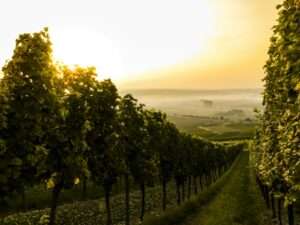

White wine is often where people start their wine journey — and for good reason. White wines are generally lighter, more immediately approachable, and easier to pair with everyday food than most reds. But the white wine world spans an enormous range, from bone-dry mineral Chablis to rich tropical Viognier to sweetly honeyed Riesling Spätlese. Knowing where to start makes all the difference.
This guide is written for white wine beginners. It covers the best varieties to try first, what to look for when you taste, how to pair white wine with food, and how to keep building from there.
Why White Wine Is a Great Starting Point
White wine has a few structural advantages for newcomers. It lacks tannin — the grippy, drying sensation from grape skins that can make red wine feel harsh to an inexperienced palate. Instead, the key structural elements are acidity (freshness, mouthwatering quality) and body (how light or full the wine feels). Both are easier to evaluate when you’re starting out.
White wine also tends to be more immediately expressive. The aromas of a good Sauvignon Blanc or Riesling are vivid and easy to identify — fresh citrus, herbs, peach, apricot — whereas red wines often require more context to fully appreciate.
The trade-off: white wines are more temperature-sensitive. Served too warm, they lose their freshness and can taste flat or heavy. Served at the right temperature (8–12°C / 46–54°F for most styles), they can be some of the most pleasurable drinks in the world.
The Best White Wines for Beginners
Here’s where to start, moving from light and crisp to rich and full-bodied:
Pinot Grigio
Pinot Grigio is one of the most beginner-friendly whites — light, dry, crisp, and neutral enough to pair with almost anything. Italian Pinot Grigio (especially from Trentino-Alto Adige) is fresh and clean with subtle citrus and almond notes. It’s not a wine to analyze deeply; it’s a wine to enjoy easily.
Try it with: Light seafood, salads, aperitivo snacks, light pasta.
Sauvignon Blanc
Sauvignon Blanc is vivid, aromatic, and immediately recognizable. New Zealand Sauvignon Blanc (Marlborough) is the style most beginners encounter first: explosive grapefruit, passionfruit, and fresh-cut grass. French Loire Valley Sauvignon Blanc (Sancerre, Pouilly-Fumé) is leaner and more mineral, worth exploring once you know the grape.
Try it with: Goat cheese, asparagus, green herbs, light fish, Thai food.
Riesling
Riesling is one of the world’s greatest white grapes and one of the most misunderstood. It can be bone dry, off-dry, or intensely sweet — all from the same grape. For white wine beginners, I’d start with a German Kabinett or Spätlese (slightly sweet, low alcohol) or an Alsatian dry Riesling. Both show the grape’s hallmark combination of vibrant acidity and expressive fruit.
Try it with: Spicy Asian food (the slight sweetness cools heat beautifully), pork, duck, aged cheeses.
Chardonnay
Chardonnay is the world’s most planted white grape for a reason — it’s extraordinarily versatile. Unoaked or lightly oaked Chardonnay (Chablis, Burgundy, cool-climate examples) shows crisp green apple, citrus, and minerality. Heavily oaked California Chardonnay (the “buttery” style) shows vanilla, cream, and tropical fruit. Both are valid; they just taste very different. For beginners, I’d start with Chablis or a Burgundy village wine to understand the grape without oak influence.
Try it with: Roast chicken, lobster, creamy pasta, fish with butter sauce.
Pinot Gris (Alsace)
Alsatian Pinot Gris is fuller-bodied and more exotic than Italian Pinot Grigio — same grape, completely different expression. Expect rich stone fruit (peach, apricot), a slightly smoky or spicy note, and a lush texture. It’s a great bridge wine for people who want the richness of a red without the tannin.
Try it with: Foie gras, pork, creamy dishes, Asian fusion.
Viognier
Viognier is for beginners who find most white wines too subtle. It’s explosively aromatic — peach blossom, apricot, jasmine — with a full body and relatively low acidity. Condrieu (northern Rhône) is the benchmark, but good examples come from California, Australia, and Languedoc at more accessible prices.
Try it with: Rich seafood, creamy chicken dishes, Indian food, aromatic spices.
White Wine for Beginners: Style Comparison
| Wine | Body | Sweetness | Key Aromas | Starting Price |
|---|---|---|---|---|
| Pinot Grigio (Italian) | Light | Dry | Citrus, almond, neutral | $10–$18 |
| Sauvignon Blanc (NZ) | Light–Medium | Dry | Grapefruit, passionfruit, grass | $12–$20 |
| Riesling (German) | Light | Dry to off-dry | Lime, peach, petrol (aged), floral | $12–$25 |
| Chardonnay (unoaked) | Medium | Dry | Green apple, lemon, mineral | $15–$30 |
| Chardonnay (oaked) | Full | Dry | Butter, vanilla, tropical | $15–$40+ |
| Pinot Gris (Alsace) | Medium–Full | Dry to off-dry | Peach, apricot, spice | $18–$35 |
| Viognier | Full | Dry | Peach blossom, jasmine, apricot | $15–$35 |
For most white wine beginners, Pinot Grigio or Sauvignon Blanc is the entry point. Both are inexpensive, reliably dry, and easy to understand. Riesling and Chardonnay are the next step — more complex, more versatile, and ultimately more rewarding as your palate develops.
Understanding Dry vs. Sweet White Wine
This is the question I hear most from white wine beginners: “Is this wine sweet?” It’s trickier than it seems.
A wine can taste fruity without having residual sugar — fruit intensity is not sweetness. True sweetness comes from residual sugar left in the wine after fermentation. When a winemaker stops fermentation before all the sugar converts to alcohol, the wine is left with residual sweetness.
A rough guide:
- Bone dry: Most Muscadet, Chablis, Sancerre, Albariño, dry Riesling, unoaked Chardonnay
- Off-dry (slight sweetness that balances acidity): German Kabinett and Spätlese Riesling, Pinot Gris d’Alsace, some Vouvray
- Medium-sweet: German Auslese, demi-sec Vouvray, Gewürztraminer Vendanges Tardives
- Dessert sweet: German TBA/Eiswein, Sauternes, Hungarian Tokaji
When choosing a white wine, the label often won’t say “dry” explicitly — it’s assumed. If you see “Kabinett,” “Spätlese,” “demi-sec,” or “moelleux,” expect some sweetness. If the wine is from Chablis, Sancerre, or labeled “Brut” (for sparkling), it will be dry.
How to Serve White Wine
Temperature matters enormously. This is the single biggest variable most beginners get wrong. White wine served too warm (above 16°C / 61°F) tastes flat and heavy. White wine served too cold (below 6°C / 43°F) — straight from the fridge — suppresses its aromas.
| Style | Serving Temperature |
|---|---|
| Sparkling / Champagne | 6–8°C (43–46°F) |
| Light, crisp whites (Pinot Grigio, Muscadet) | 8–10°C (46–50°F) |
| Aromatic whites (Riesling, Sauvignon Blanc) | 10–12°C (50–54°F) |
| Full-bodied whites (oaked Chardonnay, Viognier) | 12–14°C (54–57°F) |
A practical rule: take your white wine out of the fridge 10–15 minutes before serving. Don’t serve it straight from a cold fridge — the aromas are locked in.
Glassware: A standard tulip-shaped white wine glass works for most styles. For full-bodied, complex whites (aged Burgundy, Viognier, Alsatian Pinot Gris), a slightly wider glass helps open up the aromatics.
White Wine and Food Pairing
The classic rule is “white wine with white meat and fish” — and it’s a reasonable starting point. But white wine is more versatile than that.
General principles:
- High-acid whites (Sauvignon Blanc, Chablis, Riesling) → citrus-dressed dishes, raw fish, vegetable-forward food
- Rich, oaked whites (Chardonnay, Viognier) → creamy sauces, roast chicken, lobster, rich fish
- Off-dry whites (Riesling Spätlese, Pinot Gris) → spicy food, Asian cuisine, slightly sweet preparations
- Aromatic whites (Gewürztraminer, Viognier) → aromatic spice-heavy dishes, Indian and Thai food
White wine can work brilliantly with:
- Soft cheeses (brie, camembert, fresh chèvre) — especially with unoaked Chardonnay or Sauvignon Blanc
- Charcuterie and cured meats — particularly with off-dry Riesling or Alsatian whites
- Pizza (a crisp Pinot Grigio is excellent with margherita)
- Light pasta dishes with olive oil, clams, or cream sauce
Where white wine struggles:
- Heavy red meat dishes with rich sauces — the wine gets overwhelmed
- Dishes with strong umami (aged red meats, dark mushroom preparations) — tannin from red wine handles this better
Building Your White Wine Palate
The fastest way to understand white wine is to taste the same grape from different climates side by side. The clearest example: taste a cool-climate Chardonnay (Chablis or Burgundy) next to a warm-climate California Chardonnay. They taste completely different despite being the same grape. This single exercise teaches you more about how climate shapes wine than any amount of reading.
Other useful comparisons for white wine beginners:
- Riesling dry vs. off-dry: same grape, different sweetness levels — notice how the acidity holds both together
- Sauvignon Blanc New Zealand vs. Loire: same grape, New World fruitiness vs. Old World minerality
- Pinot Gris (Alsace) vs. Pinot Grigio (Italy): same grape, warm and rich vs. light and neutral
Keep brief notes on your phone. Even one sentence per bottle (“Marlborough Sauvignon Blanc, very grapefruity and grassy, liked it”) builds a reference faster than you’d expect.
Wine Tasting Experiences That Accelerate Learning
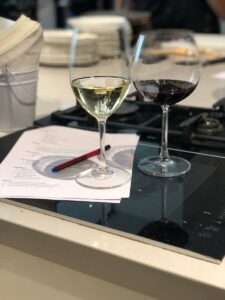
One of the most effective ways to build your white wine palate quickly is through structured guided tasting. At The Wine Voyage, Myrna Elguezabal designs corporate wine tasting experiences for teams of all levels — including complete beginners. Her events often feature comparative white wine flights where tasting a Chablis next to an oaked California Chardonnay makes the impact of climate and oak tangible in a way that just reading about it never does.
For teams looking for a meaningful shared experience that builds both knowledge and conversation, get in touch — events are customised to your team’s level and interests.
Quick Reference: White Wine Beginner Checklist
- Start with Pinot Grigio or Sauvignon Blanc — lightest, crispest, most approachable
- Serve slightly cooler than you think — take out of fridge 10–15 minutes before drinking
- “Fruity” doesn’t mean “sweet” — check the label for sweetness clues
- Pair weight with weight — light whites with light food, rich whites with rich food
- Taste two wines side by side to accelerate learning
- Riesling is worth trying — it’s not as sweet as its reputation suggests
For more depth on specific varieties mentioned here, see the Chardonnay guide, Riesling guide, Sauvignon Blanc guide, Pinot Grigio guide, and Viognier guide. If you want a full overview of both colors, the wine for beginners guide is the place to start. For understanding how to taste what’s in your glass, the how to taste wine guide walks through the full framework step by step.
Further Reading
For a visual overview of white wine styles and grapes, Wine Folly’s guide to white wine types is excellent. For deeper exploration of food pairing, Decanter’s white wine food pairing guide covers the full range of styles.