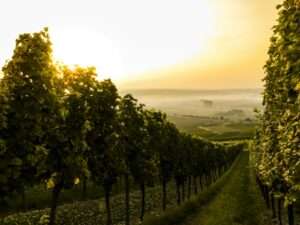

Rioja wine is Spain’s most celebrated red, and once you understand how it works, you’ll never look at a Spanish wine list the same way again. It comes from a landlocked region in northern Spain, straddled between the Pyrenees and the Cantabrian Mountains — a geography that creates unusually stable growing conditions for a wine region this close to the coast.
What makes Rioja wine distinctive isn’t just where it’s grown. It’s how long producers age it before they let it leave the winery. That commitment to oak and time is built into law here, and it shapes every bottle you open.
Where Rioja Wine Comes From
The Rioja Denominación de Origen Calificada (DOCa) sits in the upper Ebro River valley and covers three distinct sub-zones:
Rioja Alta — the western zone, cooler and wetter, produces wines with more acidity and finesse. This is where many of the region’s most prestigious estates are based.
Rioja Alavesa — technically in the Basque Country, this zone gives similar conditions to Alta: clay-limestone soils, Atlantic influence, wines that lean elegant over powerful.
Rioja Oriental (formerly Rioja Baja) — hotter and drier, Mediterranean-influenced, producing rounder, more alcoholic wines with more fruit weight. Historically used for blending but gaining respect as a standalone zone.
In 2017, Rioja introduced a village-level classification system to give single-vineyard and municipality wines more recognition. This is a region catching up to Burgundy’s level of geographic precision — and the market is taking notice.
The Grapes Behind Rioja Wine
Tempranillo is the backbone. In Rioja, it’s called Tempranillo (occasionally Cencibel or Ull de Llebre elsewhere in Spain), and it makes up anywhere from 60% to 100% of most bottles.
Tempranillo on its own is medium-bodied, cherry-fruited, and earthy — not particularly tannic, not high in acid. That’s why traditional Rioja winemakers relied on blending grapes to build structure:
- Garnacha (Grenache) — adds body, alcohol, and red fruit
- Mazuelo (Carignan) — contributes tannin, acidity, and color
- Graciano — rare but important: high acid, strong tannin, excellent aging potential
Modern producers are increasingly bottling single-varietal Tempranillo, but the classic expressions are blends. The white grapes — Viura, Malvasía, and Garnacha Blanca — produce Rioja Blanco, a smaller but respected category.
Understanding Rioja Wine Aging Categories
This is the framework that makes Rioja wine unique. Unlike most wine regions, Rioja’s classification is based on aging time, not vineyard quality. Every bottle is legally required to spend a minimum amount of time in barrel and bottle before sale.
| Category | Oak Aging (minimum) | Bottle Aging (minimum) | Total Time Before Release |
|---|---|---|---|
| Joven | None required | None required | Released young, often same year |
| Crianza | 12 months in oak | 12 months in bottle | At least 2 years from harvest |
| Reserva | 12 months in oak | 24 months in bottle | At least 3 years from harvest |
| Gran Reserva | 24 months in oak | 36 months in bottle | At least 5 years from harvest |
A few things worth knowing about this system:
Most producers exceed these minimums. The rules set floors, not ceilings. Top estates routinely age Gran Reservas for 7–10 years before release.
The type of oak matters. Traditional Rioja used American oak, which gives vanilla, coconut, and dill characters. Many modern producers shifted to French oak for more subtle, spicy, dark-fruit profiles. A lot of bottles use both.
Joven isn’t second-rate. Fresh, unoaked Joven Rioja is a completely different style — fruity, vibrant, meant for immediate pleasure. Some excellent Rioja is made this way.
What Rioja Wine Tastes Like
Rioja wine is medium to full-bodied with relatively moderate tannin and alcohol (13–14.5% ABV is typical). The flavor profile shifts dramatically by aging category:
Joven / young Rioja: Fresh cherry, strawberry, plum. Bright acidity, easy drinking, minimal oak.
Crianza: Cherry turns a little darker, violet notes appear. Light vanilla and cedar from the oak. Juicy but structured.
Reserva: More complexity — dried cherry, leather, tobacco, earthy undertones. The fruit is still present but oak and age have added savory notes.
Gran Reserva: This is where Rioja becomes genuinely complex. Dried fruit, licorice, mushroom, old leather, cedar box, sometimes balsamic. Tannins are silky from time. I find these wines impossible to rush — they deserve a proper glass and 30 minutes of air.
Top Rioja Wine Producers Worth Knowing
The Rioja landscape is split between traditional houses and a wave of modern producers doing things differently.
Classic estates:
- CVNE (Compañía Vinícola del Norte de España) — one of the oldest, still making some of Rioja’s most elegant Reservas
- La Rioja Alta — reliably excellent, their 904 Gran Reserva is a benchmark
- Marqués de Murrieta — traditional house with extraordinary single-vineyard wines
- Muga — family-owned, hand-crafted, consistent across price points
Modern producers:
- Artadi — led the quality revolution in Alavesa, wines of precision and depth
- Palacios Remondo — natural wine influence without losing terroir clarity
- Contador — cult status, Benjamín Romeo’s wines command serious prices
- Roda — modern style, high concentration, long-lived wines
For everyday drinking, producers like Viña Ardanza, Beronia, and Campo Viejo Reserva offer genuinely good Rioja at accessible prices.
How to Pair Rioja Wine with Food
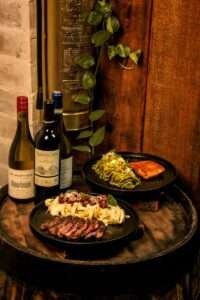
Rioja wine was built for Spanish food, but its structure makes it flexible.
Classic pairings:
- Roast lamb — the regional pairing in Spain, and it’s textbook for a reason
- Grilled beef, especially with chimichurri
- Aged cheeses — Manchego, Idiazábal
- Chorizo and cured meats
- Lentil stews and bean dishes
Broader pairings that work:
- Roasted vegetables with olive oil
- Herb-crusted chicken or pork
- Hard cheeses generally
- Mushroom-based pasta and risotto
Joven works beautifully with everyday casual food — it has the freshness of Beaujolais with Spanish character. Gran Reserva deserves a special occasion and something substantial to eat alongside it.
Rioja Wine vs. Other Spanish Reds
| Wine | Primary Grape | Style | Aging Philosophy |
|---|---|---|---|
| Rioja | Tempranillo blend | Elegant, oak-aged, earthy | Strict minimum aging tiers |
| Ribera del Duero | Tempranillo (Tinto Fino) | Bolder, darker fruit, more tannin | Less regulated aging |
| Priorat | Garnacha/Cariñena | Powerful, concentrated, mineral | Single vineyard focus |
| Toro | Tempranillo (Tinta de Toro) | Robust, high alcohol, rustic | Modernizing rapidly |
| Bierzo | Mencía | Light-medium, floral, Burgundy-like | Emerging, quality-focused |
Rioja sits in a sweet spot: more elegance than Ribera del Duero, more approachability than Priorat, and a price range that runs from under €10 to well over €100.
Serving and Storing Rioja Wine
Serve Rioja at 16–18°C (61–65°F). Straight from a cellar or the low setting of a wine fridge is ideal. Room temperature in a warm house is too warm — it flattens the wine.
Decanting: Crianza typically doesn’t need it. Reserva benefits from 20–30 minutes. Gran Reserva often opens beautifully after an hour in a decanter, especially younger vintages.
For storage, Crianza and Reserva can cellar 5–10 years from the vintage date. Gran Reserva at good producers can develop for 15–25 years in proper conditions — cool, dark, stable humidity, bottles on their sides.
Rioja Wine and Team Wine Experiences
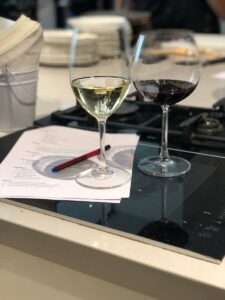
One of the most effective formats I’ve seen for corporate wine programs is a Rioja vertical — the same wine from the same producer across Joven, Crianza, Reserva, and Gran Reserva. It’s a live demonstration of how time changes wine, and it creates genuine conversation at the table.
Myrna Elguezabal at The Wine Voyage designs exactly these kinds of structured tastings for corporate teams — built around a narrative (like Rioja’s aging story), not just a lineup of bottles to get through. If you’re planning a team wine event and want something that actually teaches while it brings people together, that format works consistently well.
If you enjoy Rioja wine, you’ll likely appreciate similar structure in Tempranillo, the broader world of Bordeaux wine, or Spain’s other flagship in Malbec. For more on how oak aging shapes flavor, the Chardonnay guide covers the same principle in white wine.
Further Reading
For deeper dives into Rioja wine: Wine Folly’s Tempranillo guide covers the grape that defines this region, and Decanter’s Rioja section tracks vintages and producer news in real time.