A wine aerator is one of those gadgets that splits the wine world down the middle. Half the crowd says it’s a gimmick. The other half swears by it. As someone who has used them extensively — and run blind tastings to test the difference — my view is more nuanced: a wine aerator can genuinely improve certain wines, it does almost nothing for others, and understanding which is which will save you money and set you up for better drinking.
This guide explains exactly how aeration works, what a wine aerator actually does to wine, which styles benefit most, and which products are worth buying.
What Does a Wine Aerator Do?
When wine is exposed to oxygen, two things happen:
- Volatile compounds evaporate — including some of the sulfur-based notes that can make a freshly opened bottle smell closed, reductive, or even slightly funky
- Tannins soften — oxygen interacts with tannin molecules, making them feel rounder and less grippy on the palate
Traditionally, you achieved this by decanting — pouring wine into a wide-mouthed vessel and letting it sit for 30 minutes to two hours before drinking. A wine aerator speeds up that process by forcing air through the wine as it pours. The wine passes through a chamber that draws in ambient air, creating a turbulent, oxygen-rich flow that mimics what decanting achieves over a longer period.
The key question is whether the speed matters — and whether the aeration is actually equivalent.
How Different Wine Aerators Work
Not all wine aerator designs are the same. The main types:
| Type | How It Works | Best For |
|---|---|---|
| Pour-through (handheld) | Fits on bottle neck, wine flows through aerating chamber | Casual everyday use |
| In-glass (drop-in) | Sits in decanter or glass, aerates as you pour | Flexibility, easy cleaning |
| Stopper aerator | Combines bottle stopper with aerator | Convenience, storage |
| Vacuum pump + aerator | Dual function: aerate and preserve | Single glass from a bottle |
| Electric aerator | Motorized pump draws air into wine | Maximum aeration, premium price |
The most common style — and the one I’d recommend for most people — is the pour-through handheld model. Products like the Vinturi Essential or the Soireé simply slip over the bottle neck. You invert the bottle and pour through the aerator directly into your glass. The whole process takes a few seconds.
Does a Wine Aerator Actually Work?
In my experience: yes, for some wines, notably so.
The wines that respond best to a wine aerator are:
- Young, tannic reds — Cabernet Sauvignon, Nebbiolo, Tannat, young Barolo or Rioja. These wines have grippy, astringent tannins that genuinely soften with oxygen exposure
- Reductive wines — Wines that smell of struck match, rubber, or egg (common in some naturally made and minimal-intervention wines) often open up dramatically with aeration
- Entry-level Bordeaux and Rhône blends — Wines made to be firm and structured can become noticeably more approachable after aeration
The wines that benefit least:
- Delicate, older reds — A 15-year-old Burgundy doesn’t need a wine aerator, it needs careful decanting and probably not much time before it starts to fade
- Light, aromatic whites — Riesling, Pinot Grigio, Albariño — aeration doesn’t help and can actually strip some of the fresh aromatics you’re looking for
- Sparkling wine — Never aerate sparkling wine. You’re just killing the bubbles
- Old, oxidation-prone reds — Wines with decades behind them may be overwhelmed by rapid aeration
The honest answer is that a wine aerator is most useful for Tuesday-night drinking — when you open a young, affordable red and want it to be better than it is right out of the bottle. For a special bottle, proper decanting in a wide glass vessel gives you more control.
Wine Aerator vs Decanter: Which Is Better?
This is the most common question about wine aerators, and the answer depends on what you’re trying to achieve.
| Consideration | Wine Aerator | Decanter |
|---|---|---|
| Speed | 2–5 seconds per glass | 30 min to 2+ hours |
| Control | One-size-fits-all aeration | Adjustable time |
| Old bottles with sediment | Not suitable | Yes, great for this |
| Best for | Everyday young reds | Special bottles, old wines |
| Cost | £20–£80 | £25–£300+ |
| Cleaning | Easy | Can be awkward |
| Impressive at dinner | Moderate | High |
For most everyday drinking purposes, a wine aerator is faster, easier, and cheaper. For a serious bottle — something aged, something special, something expensive — reach for the decanter. The decanter gives you control over exposure time, which matters enormously when you’re dealing with a wine that might peak at 45 minutes and fade by two hours.
The Best Wine Aerator Options
There’s no shortage of wine aerator products on the market, but most of them work on the same basic principle. Here’s what I’d actually recommend:
Best All-Round: Vinturi Essential Red Wine Aerator
The Vinturi is the aerator that most serious wine people end up with. It uses a patented design that draws the right amount of air at the right speed. Clean, effective, and well-built. Comes with a stand to rest it on the bottle when not pouring. Around £25–£35.
Best Budget: Soireé Original Wine Aerator
The Soireé is a simple, elegant pour-through aerator at a lower price point (around £15). It works well and looks good. Less sophisticated than the Vinturi but perfectly adequate for everyday use.
Best for Both Red and White: Aervana Essential
An electric wine aerator that works by a pump mechanism. It’s more expensive (around £70) but produces extremely fine aeration and is particularly good for whites where you want gentle, controlled oxygen exposure rather than turbulent pouring.
Best for Gifting: Rabbit Super Aerator with Stand
A well-designed kit that comes with both the aerator and a stylish stand, making it genuinely giftable. The Rabbit brand makes reliable, mid-market wine accessories that look better than they cost.
How to Use a Wine Aerator Properly
Using a wine aerator correctly matters more than you’d think:
- Pour slowly — a fast pour partially bypasses the aeration chamber. Let gravity do the work
- Hold vertically — most pour-through aerators are designed for a vertical pour
- Clean after every use — wine residue builds up inside the chamber and affects flavor over time. Most can be rinsed under warm running water; some are dishwasher safe
- Don’t aerate everything — resist the urge to run every bottle through it. Save it for wines that actually benefit
One thing I’d note: the first pour through a new wine aerator can taste slightly different as the material settles in. Rinse it thoroughly before using it the first time, and pour a small amount through before your actual glass.
When to Aerate, When to Decant, When to Do Neither
A simple decision framework:
Use a wine aerator when:
- You’re drinking a young, tannic red tonight and want it softer now
- The wine smells closed or slightly sulfurous when you open it
- You’re pouring for a group who wants wine ready immediately
- The bottle is under £30 and you want to maximize it
Use a decanter when:
- The wine is more than 10 years old (especially with sediment)
- You want to taste the wine’s evolution over an hour or two
- The occasion calls for something more deliberate
- You’re working with a bottle where time in the glass matters
Do neither when:
- Drinking aromatic whites or sparkling wine
- The wine is delicate, old, and fragile
- You’re a minimalist who prefers wine evolving in the glass
Wine Aerator in Group Settings
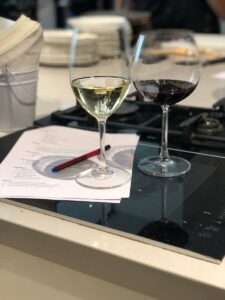
A wine aerator is surprisingly effective at corporate wine tastings and team events. It allows you to compare the same wine with and without aeration — a side-by-side that makes the science of oxygen and tannins immediately tangible. Participants who are skeptical of the whole concept often change their minds after tasting the difference in a young Cabernet Sauvignon poured with and without an aerator.
At The Wine Voyage, Myrna Elguezabal’s team uses exactly these kinds of tactile comparisons in corporate tasting experiences — demonstrations that turn abstract wine concepts into something the group can taste and debate. If you’re looking for a wine event that genuinely educates rather than just entertains, this kind of hands-on approach is where learning actually sticks.
The Bottom Line on Wine Aerators
A wine aerator is a genuinely useful tool for a specific use case: making young, tannic, or reductive wines more immediately enjoyable. At £20–£40, a good one pays for itself within a few bottles if you regularly open wines that need a bit of help. It’s not a magic wand — it won’t transform cheap wine into something expensive — but it can meaningfully improve what you’re drinking.
For most wine enthusiasts, I’d suggest having both a basic wine aerator for everyday use and a simple, wide-mouthed decanter for the bottles that warrant more careful handling. That combination covers almost every situation you’ll encounter.
For more on getting the most from your wine at home, explore our guides on how to decant wine, wine glasses guide, how to store wine, and wine serving temperature to round out your wine education.
Further Reading
To go deeper on the science and practice of wine aeration, these resources are worth reading: Wine Folly on whether aerating wine really works provides a clear, evidence-based breakdown, and Decanter’s guide to decanting and aerating wine offers expert perspective on when each technique is appropriate.