
Table of Contents
The Fascinating Art Behind Wine Names
Understanding why wines like Pinot Noir and Burgundy share a wine type but differ in names baffles many enthusiasts. The root of this confusion lies in the diverse nomenclature approaches: wines are either named after the grape variety used or the region where they’re crafted.
Grapes vs. Regions: The Naming Dilemma
The geographical origin of a wine significantly influences its nomenclature. The global practices dictate whether a wine takes its name from the grape or the region, categorizing them broadly into the Old World and the New World.
Rule Of Thumb:
- Old World: Typically named after the region of growth.
- New World: Usually named after the primary grape variety.
New World Wine Naming Conventions
In the New World, winemakers predominantly opt to label their creations based on the primary grape variety. This straightforward approach means if Cabernet Sauvignon grapes dominate the blend, the wine assumes the name Cabernet Sauvignon. Even if the composition includes, say, 70 percent Cabernet Sauvignon and 30 percent other grapes, it retains the grape’s name due to its majority share.
Old World Wine Naming Traditions
Contrarily, Old World wines derive their names from the region of production. For instance, a wine featuring 70 percent Cabernet Sauvignon from the Bordeaux region in France is labeled Bordeaux. Old World winemakers attribute significance to the influence of the wine’s birthplace, known as terroir.
This embodies the belief that factors like sun, moon, soil, rain, and climate impart distinct characteristics to the wine. In the Old World, tasting the terroir is considered as essential as recognizing the grape’s attributes. Hence, a Bordeaux from France and a Cabernet Sauvignon from Italy are expected to exhibit distinctive flavors, warranting the use of regional nomenclature.
Unveiling Terroir: Where Earth Meets Grape
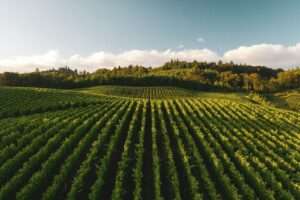
Terroir encapsulates the holistic impact of environmental elements on the final wine. Old World winemakers contend that the unique essence of a wine’s origin, its terroir, shapes its taste as much as the inherent grape characteristics.
Embark on a vinous journey to comprehend the intricate interplay of grapes and geography, unraveling the naming nuances that encapsulate the essence of each sip.
10 Facts About “Deciphering Wine Naming”:
- Terroir Significance: Old World winemakers prioritize terroir, believing it profoundly affects a wine’s taste.
- New World Precision: New World wines focus on the grape variety, emphasizing transparency in naming.
- Global Naming Practices: Naming conventions vary globally, creating a fascinating tapestry of wine nomenclature.
- Majority Rule: New World wines adopt the grape’s name if it constitutes the majority of the blend.
- Old World Philosophy: Old World winemaking aligns with the belief that the birthplace of the wine shapes its character.
- Terroir Exploration: Terroir encompasses elements like sun, moon, soil, rain, and climate, contributing to the wine’s uniqueness.
- Distinct Regional Flavors: Old World wines promise distinct regional flavors, making their names indicative of a broader taste palette.
- Wine Label Transparency: New World wine labels provide clarity on the primary grape variety.
- Balancing Act: The naming choice between grape and region serves as a delicate balance in defining a wine’s identity.
- Cultural Influences: Cultural and winemaking traditions play a pivotal role in shaping the naming practices of wines globally.
Find out more about our experiences.
You may also want to check out our gallery for past events.
Other interesting links
- CUSTOMIZE YOUR EXPERIENCE
- Team Building blog
- Wine Courses
- THE BLIND TASTING COMPETITION
- THE PERFECT BLEND COMPETITION
- TEQUILA & MEZCAL EXPERIENCE
- Food & Wine Pairing
- VIRTUAL EXPERIENCES
Links to other interesting articles:
73-powerful-team-building-activities
unlock-the-fun-with-18-virtual-team-building-activities
powerful-tips-for-crafting-a-company-culture
Links to other interesting articles:
19-amazing-virtual-team-building-activities
35-powerful-team-building-activities