Why Sparkling Wine Deserves a Place Beyond Celebrations
There’s a persistent myth about sparkling wine: that it’s reserved for toasts, anniversaries, and New Year’s Eve. I find this a shame, because a well-chilled glass of bubbles is one of the most versatile, food-friendly drinks you can pour on a Tuesday afternoon. Sparkling wine pairs beautifully with everything from potato chips to sushi to roast chicken. Once you understand the range of styles available, it stops being a special-occasion luxury and starts being a regular pleasure.
This guide walks you through every major style of sparkling wine, how each is made, what it tastes like, and how to choose the right bottle for the moment.
How Sparkling Wine Gets Its Bubbles
All sparkling wine starts as still wine. The bubbles come from a secondary fermentation that traps carbon dioxide in the liquid. The method used for that second fermentation is the single biggest factor in the quality and character of the final wine.
Traditional Method (Méthode Traditionnelle)
This is the most labor-intensive approach — and the one that produces the finest sparkling wines. After the base wine is bottled with a small amount of yeast and sugar, a second fermentation happens inside the sealed bottle. The wine then ages on the spent yeast (called lees), which imparts toasty, bready, creamy complexity. After aging, the dead yeast is carefully removed through a process called disgorgement, and the bottle is topped off with a small amount of wine and sugar (the dosage) that determines final sweetness.
Champagne, Crémant, Cava, and most high-quality English sparkling wines use this method. The minimum aging on lees for non-vintage Champagne is 15 months; for vintage Champagne, it’s 3 years. That time is what creates the depth you’re tasting.
Tank Method (Charmat Method)
Here, the secondary fermentation happens in a large pressurized tank rather than individual bottles. The wine is then filtered and bottled under pressure. This method is faster, cheaper, and better suited to wines meant to be drunk young and fresh — it preserves delicate fruit and floral aromas that would be overwhelmed by extended lees contact.
Prosecco is the most famous example. Most sparkling wines from Germany (Sekt) and many from Spain and Italy also use this method.
Transfer Method
A hybrid approach: secondary fermentation happens in individual bottles, but the wine is transferred to a tank for disgorgement and bottling, rather than being disgorged bottle by bottle. You get some of the lees complexity without the full cost of traditional method. Many quality sparkling wines from Australia and the US use this approach.
Carbonation (Injection Method)
Carbon dioxide is simply injected into still wine — the same way soda is made. This is the lowest-quality approach and produces large, quickly-dissipating bubbles. It’s common in very cheap sparkling wines. The tell is a coarse, aggressive mousse that fades fast in the glass.
The Major Styles of Sparkling Wine
Champagne
Champagne only comes from the Champagne region of northeastern France, made from Chardonnay, Pinot Noir, and/or Pinot Meunier. It’s the benchmark for sparkling wine quality — complex, layered, with notes of brioche, citrus, green apple, and cream. Non-vintage Champagne is blended across multiple years for consistency; vintage Champagne reflects a single exceptional year.
Price range: $40–$300+
Prosecco
Italy’s most popular sparkling wine comes from the Veneto and Friuli regions, made from the Glera grape using the tank method. Prosecco is lighter, fruitier, and more straightforwardly pleasurable than Champagne — think white peach, pear, and delicate floral notes. It’s lower in alcohol, usually around 11%, and meant to be enjoyed young.
Price range: $12–$40
Cava
Spain’s traditional-method sparkling wine, made primarily from Macabeu, Xarel-lo, and Parellada grapes. Cava delivers real Champagne-method complexity at a fraction of the price. Expect yeasty, almond, and citrus notes with a drier finish. It’s one of the great value plays in wine.
Price range: $10–$40
Crémant
France produces traditional-method sparkling wines outside Champagne under the Crémant designation — Crémant d’Alsace, Crémant de Loire, Crémant de Bourgogne, and others. These use local grape varieties, require lees aging, and consistently over-deliver for their price.
Price range: $15–$35
Sekt
German sparkling wine ranges from cheap carbonated wine to serious traditional-method Riesling Sekt. The latter can be exceptional — crisp, mineral, and with the distinctive character of German viticulture. Look for “Winzersekt” on the label for producer-made, higher-quality examples.
Price range: $12–$60
Pét-Nat (Pétillant Naturel)
The oldest method of producing sparkling wine: the wine is bottled before primary fermentation finishes, trapping the CO₂ naturally. The result is lightly sparkling, cloudy, and often funky in the best sense — rustic, alive, and unpredictable. Pét-nats have become a darling of the natural wine movement.
Price range: $15–$40
Sparkling Wine Sweetness: Decoding the Label
Sparkling wine labels use a traditional (and slightly confusing) sweetness scale. Here’s how to read it:
| Term | Residual Sugar | What It Tastes Like |
|---|---|---|
| Brut Nature / Zero Dosage | 0–3 g/L | Bone dry, stark, mineral |
| Extra Brut | 0–6 g/L | Very dry, austere |
| Brut | 0–12 g/L | Dry — the default style |
| Extra Dry | 12–17 g/L | Off-dry, slightly sweet |
| Sec | 17–32 g/L | Noticeably sweet |
| Demi-Sec | 32–50 g/L | Sweet, good with dessert |
| Doux | 50+ g/L | Very sweet |
The vast majority of Champagne and sparkling wine sold is Brut — this is where to start. Extra Dry is counterintuitively sweeter than Brut, which trips people up regularly.
Comparing the Major Styles
| Style | Method | Primary Grapes | Flavor Profile | Price Range |
|---|---|---|---|---|
| Champagne | Traditional | Chardonnay, Pinot Noir, Meunier | Brioche, citrus, cream, toast | $40–$300+ |
| Prosecco | Tank | Glera | Peach, pear, floral | $12–$40 |
| Cava | Traditional | Macabeu, Xarel-lo, Parellada | Almond, citrus, yeast | $10–$40 |
| Crémant | Traditional | Varies by region | Varies — often apple, citrus, floral | $15–$35 |
| Pét-Nat | Ancestral | Varies | Rustic, fruity, funky | $15–$40 |
| Sekt | Tank/Traditional | Riesling, others | Crisp, mineral, floral | $12–$60 |
How to Serve Sparkling Wine
Temperature matters more with sparkling wine than almost any other category. Serve it too warm and the bubbles are coarse and aggressive; too cold and the aromatics shut down. The sweet spot is 45–50°F (7–10°C). A standard refrigerator is too cold; aim for a 20-minute chill in an ice bucket before serving.
Use a proper flute or tulip-shaped glass — the narrow opening preserves carbonation and focuses the aromas. Wide coupe glasses look beautiful but let bubbles and aromatics escape quickly. A white wine glass also works well, especially for richer, more complex sparkling wines.
Open the bottle by keeping it cold, removing the foil and cage, and turning the bottle (not the cork) while applying gentle pressure. A controlled pop is what you’re after — a loud explosion wastes wine and pressure.
Sparkling Wine and Food: The Unexpected Pairings
Sparkling wine’s high acidity and effervescence make it one of the most food-friendly categories in wine. Some rules I follow:
- Brut Champagne or Cava with fried food — the acidity cuts through fat perfectly. Fried chicken, tempura, potato chips, french fries.
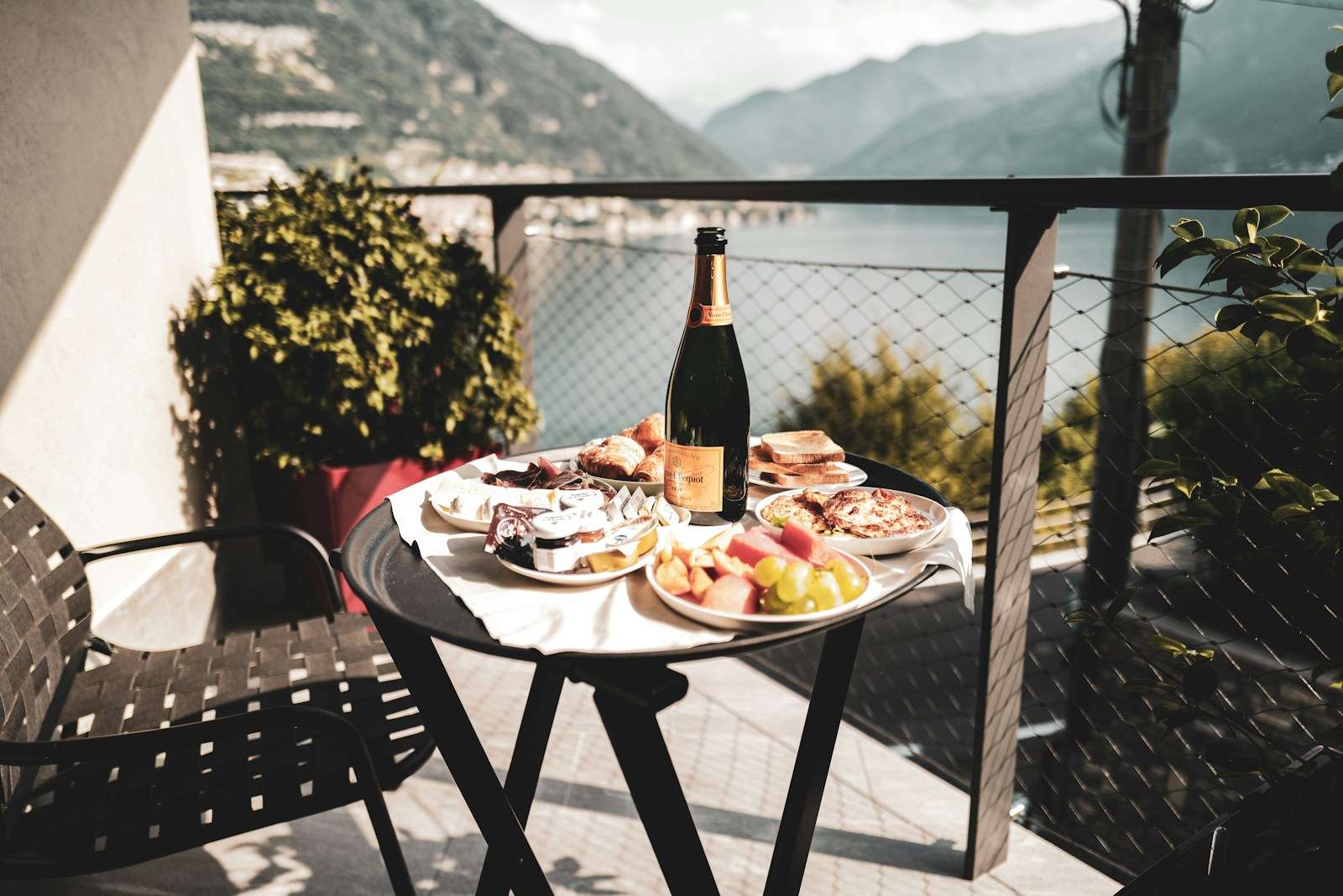
- Prosecco with charcuterie and soft cheeses — the fruit and lightness complement rather than overpower.
- Blanc de Blancs Champagne with oysters and seafood — classic for good reason.
- Demi-Sec with fruit tarts and light desserts — the sweetness bridges the gap between savory and sweet.
- Pét-Nat with everything funky — charcuterie, ripe cheese, anything fermented.
One combination to avoid: sparkling wine with spicy food. The carbonation amplifies heat in a way that’s rarely pleasant.
Value Picks by Occasion
Everyday drinking: Prosecco from a reputable producer (Bisol, Nino Franco, La Marca) or Cava (Codorníu, Freixenet Reserva Real, Juvé y Camps). Both deliver consistent quality under $25.
Special occasion without breaking the budget: Crémant d’Alsace from Wolfberger or Lucien Albrecht, or Gramona Gran Cuvée Cava. Both are traditional method, both under $30.
Serious celebration: Non-vintage Champagne from a grower-producer (Laherte Frères, Pierre Peters, Bereche & Fils) offers more character than most house non-vintage at similar prices.
Sparkling Wine for Team Experiences
In my experience working with corporate groups, sparkling wine is the single best category for structured tasting events. The variety of styles — from lean, mineral Blanc de Blancs to rich, toasty vintage Champagne — creates immediate contrast and conversation. Comparing a Brut Prosecco, a Crémant de Loire, and a non-vintage Champagne side by side tells the story of how method, region, and grape shape flavor in a way that clicks for people who aren’t wine experts.
At The Wine Voyage, Myrna designs team tasting experiences around exactly this kind of “aha moment.” A sparkling wine flight paired with unexpected food matches (fried chicken, oysters, blue cheese) tends to generate the most engaged discussions of any format we offer — because it challenges assumptions and delivers genuine surprise.
If your team is planning a celebration, an offsite, or just a creative afternoon, a guided sparkling wine experience is one of the most memorable ways to spend it together.
For more on related topics, explore our Champagne guide, Prosecco guide, how to taste wine, and wine pairing guide to deepen your knowledge.
Further Reading
Dive deeper into sparkling wine with these authoritative resources: Wine Folly’s sparkling wine overview is a great visual introduction to the major categories, and Decanter’s sparkling wine learning hub covers everything from Champagne production to obscure regional styles.