
Table of Contents
How to Choose the Right Culinary Team-Building Experience
When it comes to improving your team’s collaboration and communication, nothing works better than a well-designed team-building experience. But what if you could elevate these experiences to a new level? What if you could blend team-building exercises with something universally loved: great food and drinks?
This is where culinary team-building events come into play. Combining team-building activities with food and drink experiences is a surefire way to build relationships, foster creativity, and improve overall team morale.
What Is Team Building and Why Is It Important?
Before diving into the specifics of culinary team-building experiences, it’s essential to understand what team building truly means. Team building refers to the process of improving interpersonal relationships and teamwork within a group.
Whether you’re working in a corporate environment, managing a small business, or leading a creative agency, strong collaboration is essential for success. The goal of team building is to enhance communication, boost morale, and create a sense of shared purpose. And the best part? When done correctly, team-building activities can be both fun and productive.
Why Combine Team Building with Culinary Experiences?
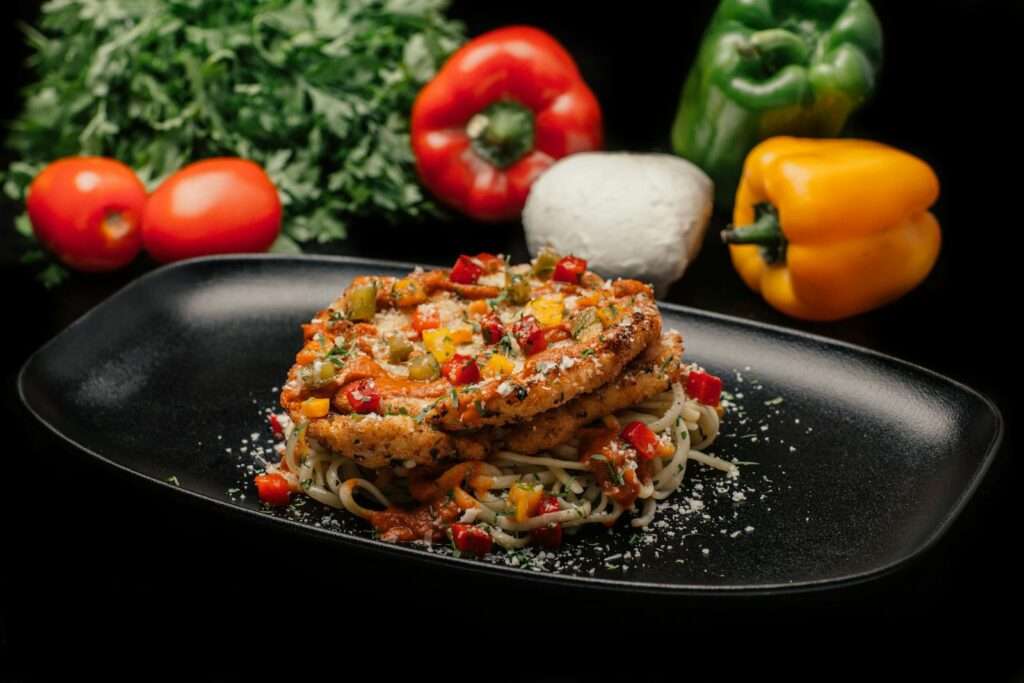
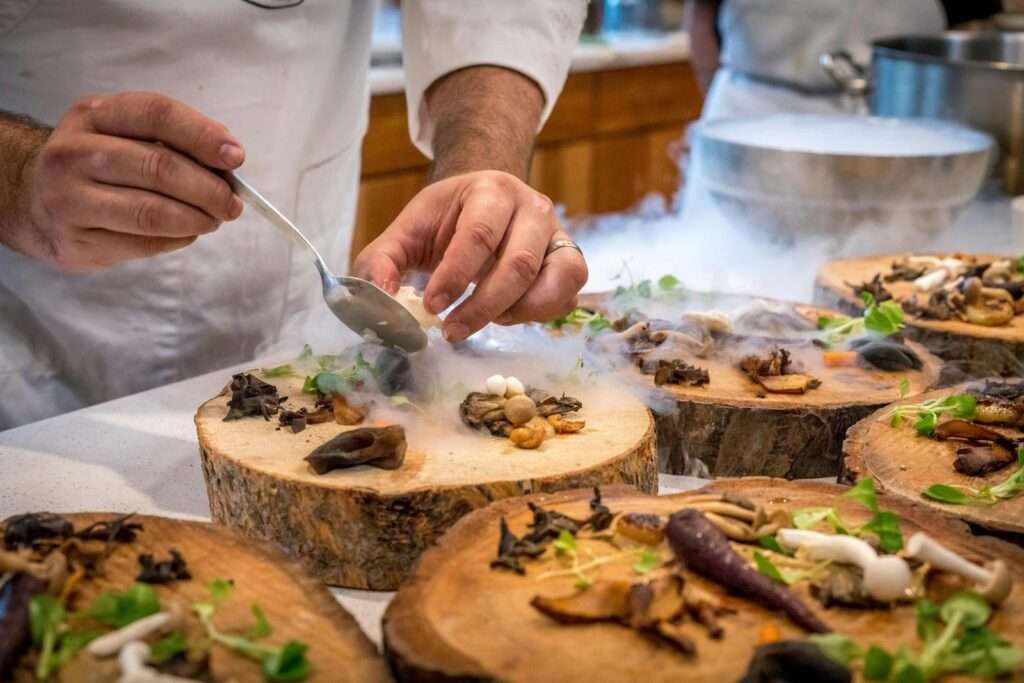
Culinary experiences offer a unique and enjoyable way to build team chemistry. Food, in particular, has an amazing way of bringing people together. Whether you’re crafting a meal together or enjoying a tasting, the shared experience of food helps break down barriers and promotes a sense of collaboration.
In fact, a growing trend in corporate and social event planning is the use of food-related team-building exercises to help teams bond, learn new skills, and even tap into their creative potential. These activities not only make for great bonding moments but also provide opportunities for learning and development.
The Benefits of Culinary Team-Building Experiences
Incorporating food into your team-building exercises can have numerous benefits:
1. Fosters Collaboration
Cooking together as a team requires participants to work in sync. From coordinating the preparation of different ingredients to executing tasks together, teams are naturally encouraged to collaborate, communicate, and problem-solve as a unit. It’s a fantastic way to learn about each other’s strengths and weaknesses in a non-competitive setting.
2. Encourages Creativity
Food allows for creativity to flow freely. Teams can experiment with different flavors, dishes, and cooking techniques, which fosters innovation and out-of-the-box thinking. Many companies are embracing creative cooking workshops or food challenges, which help participants think creatively while working together.
3. Promotes Teamwork in a Fun Way
Not every team-building experience has to be competitive or intense. Food-related activities, such as wine and food pairings, cooking challenges, or even a mixology session, are a fun way to engage everyone while also learning about the importance of teamwork. These activities add a touch of excitement and make everyone feel more relaxed and comfortable.
4. Boosts Communication Skills
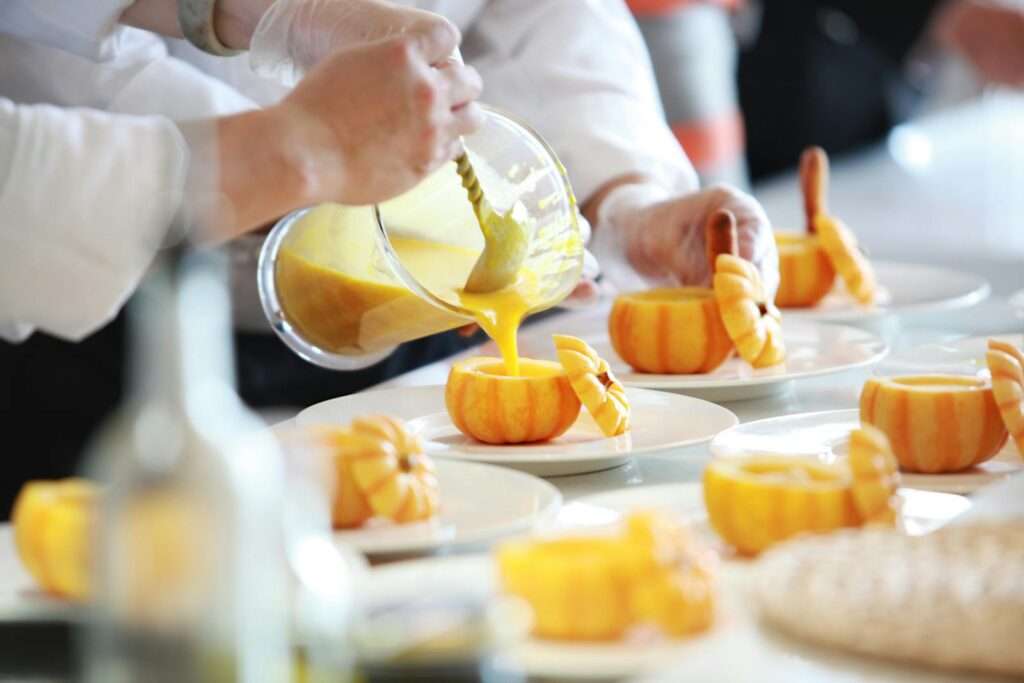
Clear communication is key in any team environment. Cooking together requires constant communication, whether it’s about dividing responsibilities, timing, or sharing feedback. Culinary team-building experiences help participants improve their verbal and non-verbal communication skills in a dynamic and engaging way.
Types of Culinary Team-Building Activities to Try
When planning your team-building experience, the possibilities are endless. Here are some popular culinary team-building activities that can strengthen your team while providing a fun and delicious experience:
1. Cooking Classes
Cooking classes are one of the most popular types of culinary team-building events. Instructors guide teams through the process of preparing a multi-course meal, offering plenty of opportunities for collaboration, creativity, and fun.
2. Wine Pairing Events
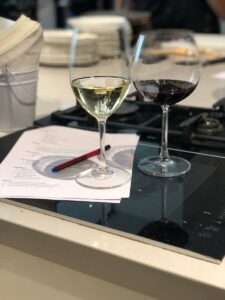
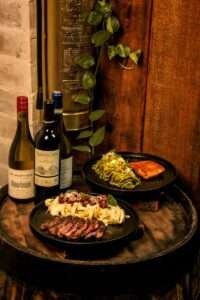
Wine pairing events combine the art of food and wine to create memorable experiences. Teams can work together to create a variety of food dishes that complement specific wines, learning about wine pairings along the way.
3. Cooking Competitions
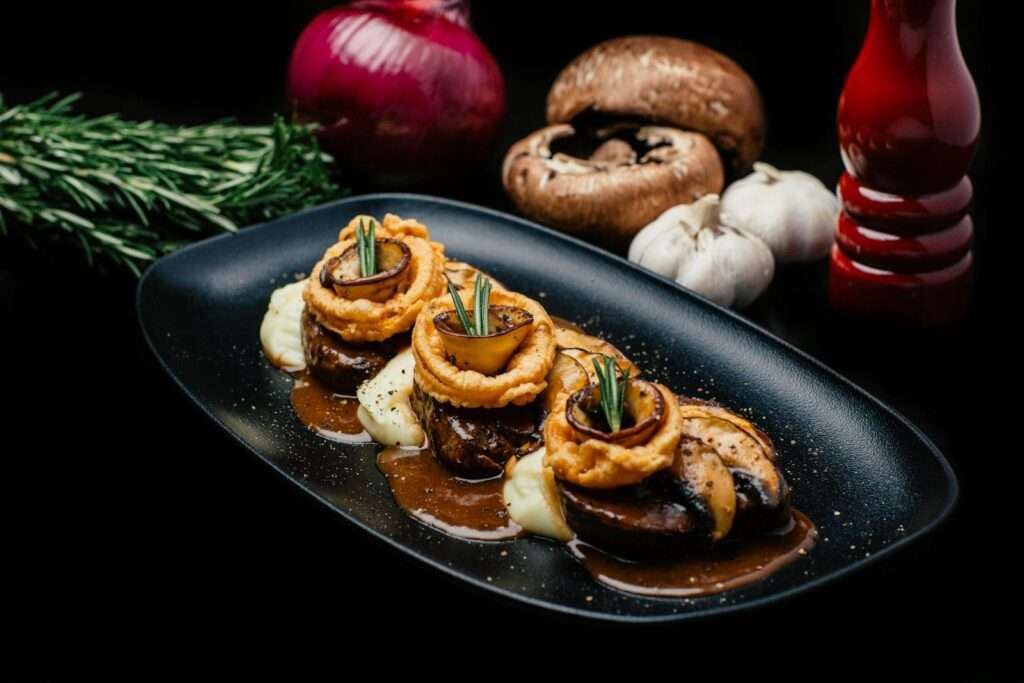
Think of a “Chopped” or “MasterChef”-style competition where teams are given mystery ingredients and must work together to create a dish in a limited amount of time. This friendly competition fosters a sense of excitement and encourages creative problem-solving.
4. Tasting Events
Tasting events are a great way to introduce your team to new flavors and textures while encouraging open discussion and debate. You could organize a whiskey or mezcal tasting, where team members learn about the subtleties of each drink, or explore different regional cuisines.
5. Mixology Workshops
A mixology workshop offers teams the chance to learn how to create signature cocktails. This is a great activity for teams looking to bond over shared creativity and enjoy a drink at the end of the day.
How to Choose the Right Culinary Team-Building Experience
Choosing the right culinary experience depends on several factors, including the preferences of your team, the goals of the activity, and the amount of time available. Consider the following when selecting a team-building activity:
- Team Size: Larger teams may benefit from group challenges, while smaller teams might enjoy more hands-on experiences.
- Skill Level: If your team members are culinary enthusiasts, you may opt for a more advanced class. For beginners, a more relaxed and simple experience might be better.
- Type of Cuisine: Think about your team’s preferences. Do they enjoy Italian cuisine, Mediterranean flavors, or something more exotic? Choose an experience that reflects their tastes.
- Venue: Consider the environment in which the team-building experience will take place. Whether it’s a corporate kitchen, an outdoor event, or a private venue, choose a setting that matches the vibe you want to create.
If you’re looking for tailored culinary team-building experiences, check out what we offer to create unforgettable moments with your team.
Conclusion: Transform Your Team with Culinary Team-Building Experiences
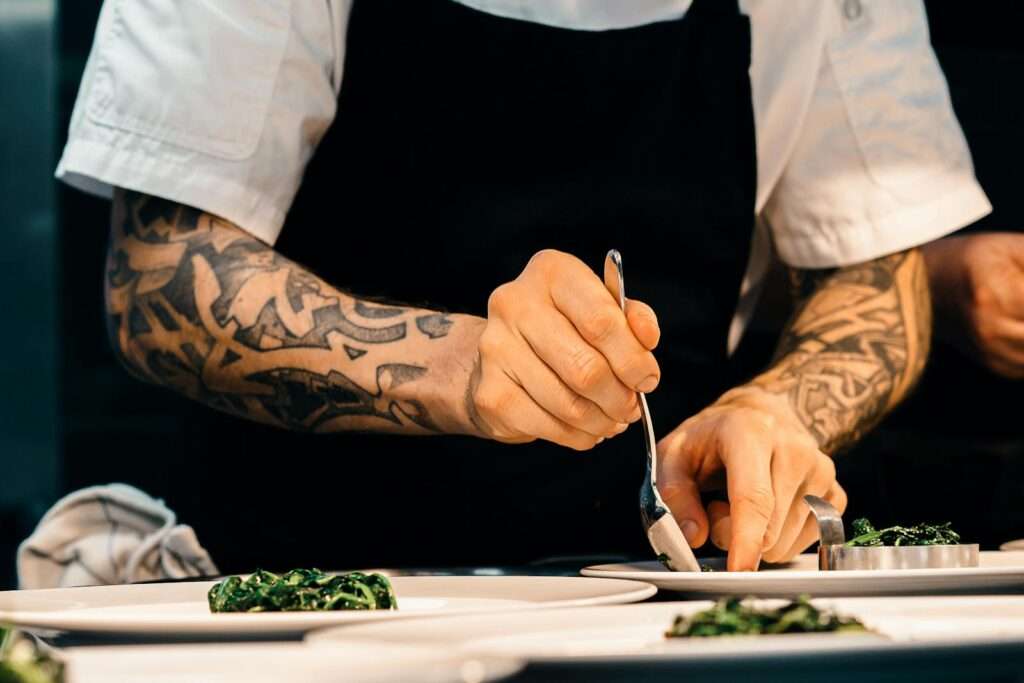
Culinary team-building experiences are an incredible way to foster collaboration, creativity, and camaraderie within your team. They provide a perfect blend of fun and learning, allowing team members to bond over shared experiences while improving communication and teamwork. Whether you’re cooking together, tasting wines, or crafting cocktails, these experiences are sure to leave a lasting impression.
Are you ready to create an unforgettable team-building event for your team? Explore more about how we can design the perfect experience for you at this link.
Hashtags: #CulinaryTeamBuilding #TeamBuildingExperience #CookingClasses #WinePairing #Teamwork #CorporateEvents #TeamBuildingActivities #TeamEventIdeas #MezcalTasting #CorporateTeamBuilding #CreativityInTeams
Find out more about our experiences.
You may also want to check out our gallery for past events.
Other interesting links
- CUSTOMIZE YOUR EXPERIENCE
- Team Building blog
- Wine Courses
- THE BLIND TASTING COMPETITION
- THE PERFECT BLEND COMPETITION
- TEQUILA & MEZCAL EXPERIENCE
- Food & Wine Pairing
- VIRTUAL EXPERIENCES
Links to other interesting articles:
73-powerful-team-building-activities
unlock-the-fun-with-18-virtual-team-building-activities
powerful-tips-for-crafting-a-company-culture
Links to other interesting articles:
19-amazing-virtual-team-building-activities
35-powerful-team-building-activities