Table of Contents
The Definitive Wine Serving Temperature Mastery Guide
Even if you don’t consider yourself a wine aficionado, navigating the realm of serving temperatures can be a perplexing journey. Questions like, “Does serving wine at certain temperatures affect its taste?” and “Are there ideal temperatures for different types of wine?” may cross your mind. The truth? Far from stupid questions. You don’t need a map of Europe or a high-end wine fridge to master the art of serving. Understanding the temperatures at which to serve various wines is simpler than you might think.
To be clear, temperature significantly influences a wine’s aroma and flavor. Colder serving temperatures can subdue a wine’s aromatics, highlighting its structure and accentuating acidity while intensifying tannins and bitterness.
This is particularly beneficial for aromatic wines like Sauvignon Blanc, Riesling, or Gamay, as their strong aromas persist through the chill. However, not all wines benefit from an icy embrace. Wines with subtle profiles or fuller bodies can lose their character when served too cold. High-tannin wines, such as extended maceration orange wines or robust reds like Cabernet Sauvignon, are best enjoyed at the warmer end of the temperature spectrum, as excessive chilling can render them unpleasant and astringent.
While general guidelines exist, individual wine styles within categories may demand nuanced approaches. Consider each bottle’s unique characteristics when deciding on the appropriate serving temperature.
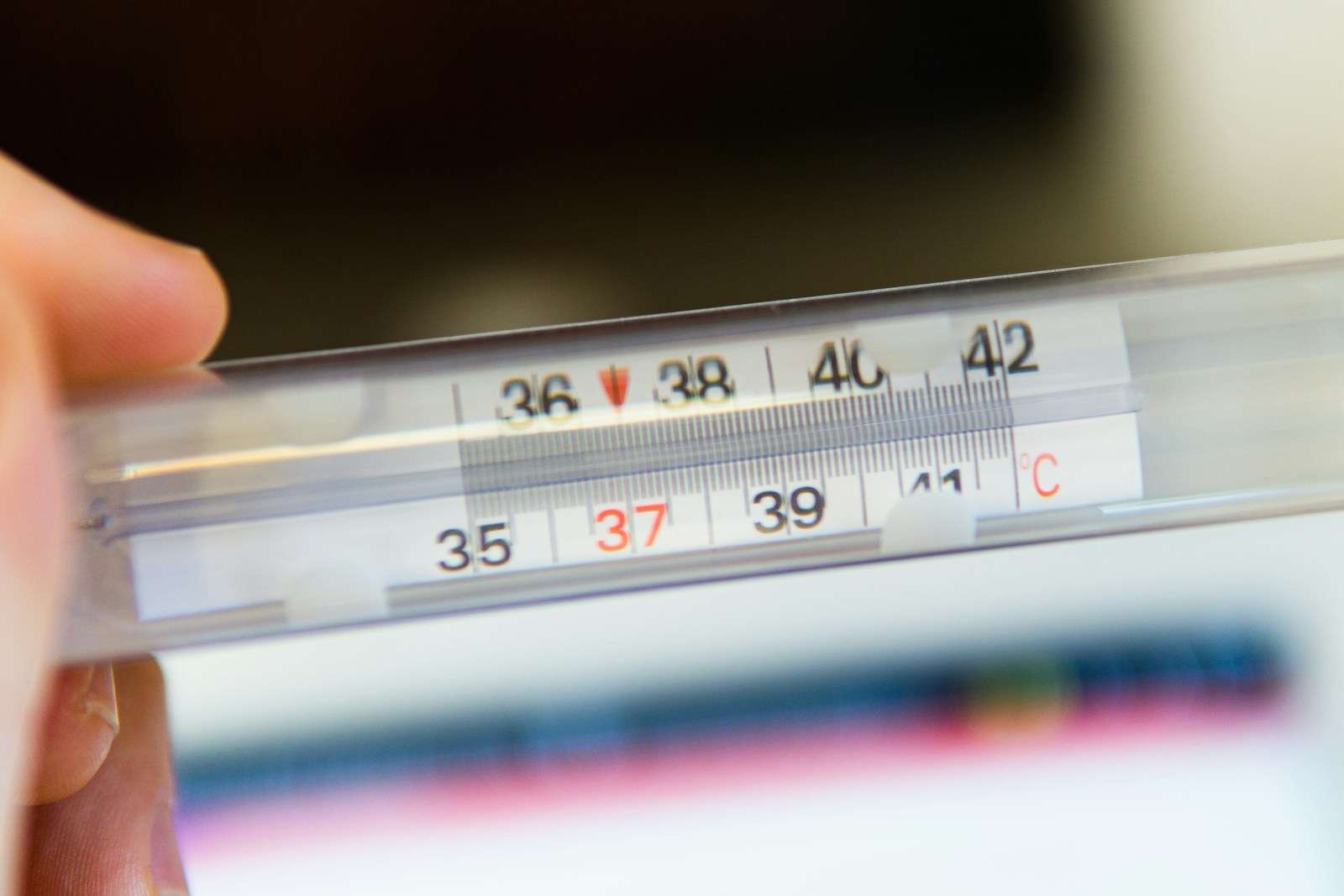
Experimenting with temperatures at home is encouraged, allowing personal preference to play a role. A wine thermometer, more affordable than a wine fridge, is a handy tool to help you find your ideal serving point. Starting with a cold bottle and observing its evolution as it warms up over time is an excellent method for discovering your sweet spot.
Wine Temperature Serving Guide
Ice Cold (40 to 50 degrees)
Sparkling Wine
- Ideal for: Sparkling wines
- Chilling Method: Place in the freezer for about an hour or in an ice bucket for 30 minutes.
- Note: After pouring the first glasses, keep the open bottle on ice until finished to maintain fine bubbles.
Cold (45 to 55 degrees)
White Wine
- Ideal for: Lighter, aromatic, or sweet white wines
- Chilling Method: Refrigerate immediately after purchase or leave in the fridge for several hours. For same-day consumption, place in the freezer for about 30 minutes.
- Note: Let the bottle sweat on the table after opening, allowing the wine’s aromas to evolve with a slight rise in temperature.
Rosé Wine
- Ideal for: Various rosé styles; lighter-bodied styles benefit from being served cold.
- Note: Optimal temperature may vary; lighter rosés like Provence-style are best enjoyed cold, while more structured styles benefit from a slightly warmer serving.
Chilled (55 to 60 degrees)
Orange Wine
- Ideal for: Orange wines with varying levels of skin-contact
- Note: Lighter versions can be served with a bit more chill, while intensely tannic varieties should be served slightly chilled or at cellar temperature.
Light-Bodied Red Wine
- Ideal for: Chillable reds like Gamay, Mencia, Trousseau, Frappato, and Schiava
- Note: Lighter reds with bright red berry notes, high acidity, and low tannin thrive at cooler temperatures.
Cool (60 to 65 degrees)
Medium to Full-Bodied Red Wine
- Ideal for: Medium to full-bodied red wines
- Cooling Method: Place in the fridge an hour before serving or in the freezer for 15 minutes for quicker results.
- Note: Serve slightly cool, allowing the wine to gradually warm on the table after opening, enhancing the tasting experience.
In conclusion, mastering the art of serving wine at the right temperature doesn’t require a sommelier’s expertise. With this comprehensive guide, you’ll confidently navigate the diverse world of wine temperatures, ensuring each bottle is enjoyed to its fullest.
10 Facts About Wine Temperature Serving
- Temperature significantly impacts a wine’s aroma and taste.
- Colder temperatures can emphasize acidity and tannins while muting aromatics.
- Aromatic wines like Sauvignon Blanc benefit from a chill due to their strong aromas.
- Subtle or full-bodied wines can lose character if served too cold.
- High-tannin wines, like robust reds, are best enjoyed at warmer temperatures.
- Individual wine styles within categories may require nuanced temperature approaches.
- Experimenting with serving temperatures at home is encouraged.
- A wine thermometer is a cost-effective tool for tracking ideal serving points.
- Starting with a cold bottle and observing its evolution as it warms is a great way to find the perfect serving temperature.
- Mastering wine serving temperatures enhances the overall tasting experience.
Other interesting links
- CUSTOMIZE YOUR EXPERIENCE
- Team Building blog
- Wine Courses
- THE BLIND TASTING COMPETITION
- THE PERFECT BLEND COMPETITION
- TEQUILA & MEZCAL EXPERIENCE
- Food & Wine Pairing
- VIRTUAL EXPERIENCES
Links to other interesting articles:
73-powerful-team-building-activities
unlock-the-fun-with-18-virtual-team-building-activities
powerful-tips-for-crafting-a-company-culture
Links to other interesting articles:
19-amazing-virtual-team-building-activities